Trusted by 155+ Homeowners
Water Damage Restoration in Alva, FL
- Over 158 5-Star Reviews
- Free Estimates and Quotes
- 100% Satisfaction Guaranteed
- Child, Family & Pet Safe Steps
- 24-Hour Emergency Service
- Fully Licensed & Insured

Water Damage Restoration in Alva, FL: What to Expect
You wake up to the sound of dripping water in your home. You follow the noise to your kitchen, where you find a small leak under the sink. Water is pooling on the counter, and the smell of dampness fills the air. You quickly turn off the water supply and grab a towel to soak up the spill. But as you look closer, you realize the damage goes beyond the immediate area. Water has seeped into the walls and floors, and you’re not sure how to fix it. That’s when you know you need professional help.
With over 165 five-star reviews from satisfied customers in the area, our team has a proven track record of delivering top-notch water damage restoration services. We’ve helped countless homeowners in Alva, FL, and surrounding communities restore their properties to their former glory. You can trust us to get the job done right.
- We use advanced equipment to detect moisture and dry out affected areas quickly.
- We employ a team of certified technicians who follow IICRC standards for water damage restoration.
- We offer flexible scheduling to reduce disruption to your daily life.
How Our Water Damage Restoration Service Works
When you call us, our team will dispatch a crew of certified technicians to your location immediately. They’ll assess the damage, identify the source of the leak, and develop a customized plan to restore your property. Our goal is to reduce downtime and get your home back to normal as soon as possible.
Step 1: Assessment and Containment
Our technicians arrive within 60 minutes to assess the damage and identify the source of the leak. They’ll contain the affected area to prevent further damage and set up equipment for drying and dehumidification.
Step 2: Water Extraction
Our team uses specialized equipment to extract standing water from your property. This includes powerful pumps and wet vacuums that can handle large volumes of water.
Step 3: Drying and Dehumidification
We use advanced moisture-detecting equipment to monitor the drying process and ensure your property is completely dry. Our technicians will also set up dehumidifiers to remove excess moisture from the air.
Step 4: Cleaning and Sanitizing
Our team uses eco-friendly cleaning products to sanitize and clean affected areas, including walls, floors, and personal belongings.
Step 5: Repair and Reconstruction
We work with local contractors to repair and reconstruct damaged areas, including drywall, flooring, and cabinets.
Don’t wait, call us now to schedule your water damage restoration service. Our team is available 24/7 to help you get back to normal.

Warning Signs You Need Water Damage Restoration
Catching water damage early can save you thousands of dollars in repairs and prevent bigger problems down the line. Here are some common warning signs to look out for:
Musty Odors That Won’t Go Away
If you notice a persistent musty smell in your home it could be a sign of hidden water damage. Don’t ignore it, call us to investigate.
Warped or Discolored Flooring
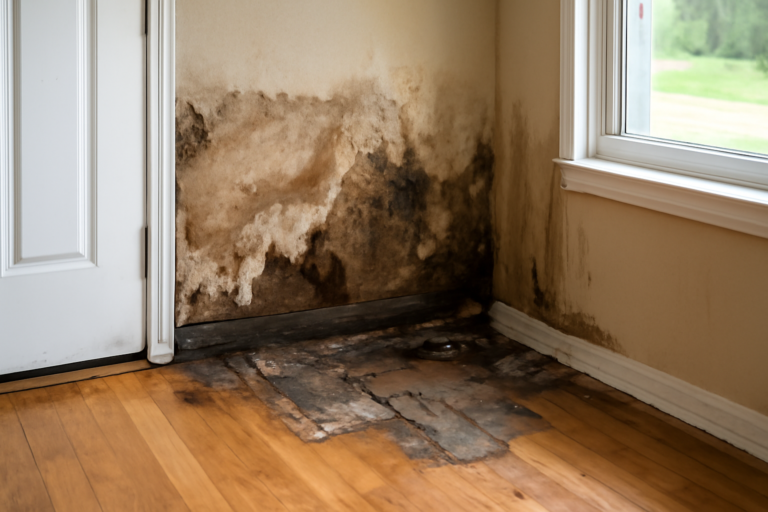
If your flooring is warped, discolored, or buckling it may be a sign of water damage. Our team can assess the damage and provide a plan for repair.
Peeling Paint or Wallpaper
If paint or wallpaper is peeling or bubbling it could be a sign of water damage behind the surface. Don’t wait, call us to investigate.
Stains on Ceilings or Walls
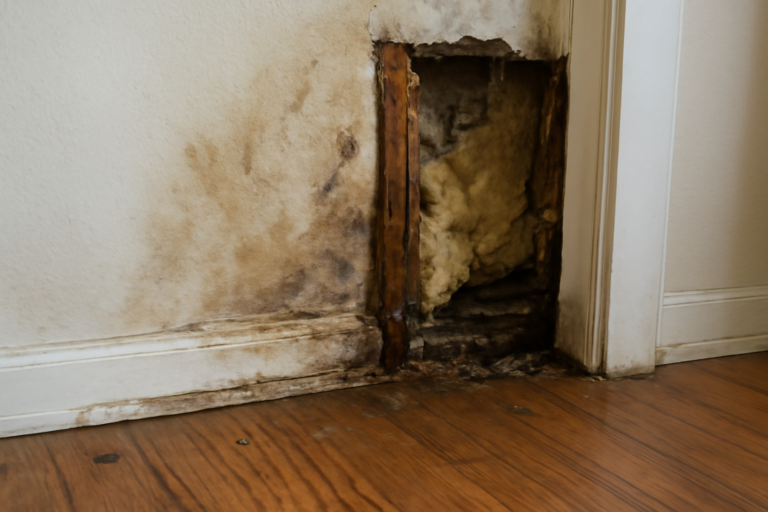
If you notice stains on your ceilings or walls it could be a sign of water damage. Our team can assess the damage and provide a plan for repair.
Water Stains on Furniture or Belongings
If you notice water stains on your furniture or belongings it could be a sign of water damage. Our team can assess the damage and provide a plan for repair.
Unusual Sounds or Leaks
If you hear unusual sounds or notice leaks in your home don’t ignore them. Call us to investigate and prevent further damage.
Water Damage Restoration vs. DIY: When to Call a Pro
| Situation | DIY? | Call a Pro? | Why |
|---|---|---|---|
| Small leak under the sink | Yes | No | DIY fix can be done quickly and cheaply. |
| Water damage from a burst pipe | No | Yes | Professional help is needed to prevent further damage and ensure safety. |
| Hidden water damage behind walls | No | Yes | Professional equipment is needed to detect and repair hidden damage. |
| Water damage from a flood | No | Yes | Professional help is needed to restore your property quickly and safely. |
| Water damage from a roof leak | No | Yes | Professional help is needed to repair the roof and prevent further damage. |
| Water damage from a sewage backup | No | Yes | Professional help is needed to restore your property safely and prevent further contamination. |
If you’re unsure whether you need professional help, it’s always better to err on the side of caution. Water damage can be a serious issue that needs specialized equipment and expertise to repair. Don’t wait, call us now to schedule your water damage restoration service.
Water Damage Restoration Cost in Alva, FL
The cost of water damage restoration can vary depending on the severity of the damage, the size of the affected area, and local conditions in Alva, FL. Here are some estimated price ranges for common services:
| Service | Typical Price Range | What Affects Cost |
|---|---|---|
| Water extraction | $500 – $2,500 | Size of affected area, type of equipment needed |
| Drying and dehumidification | $1,000 – $5,000 | Size of affected area, type of equipment needed |
| Cleaning and sanitizing | $500 – $2,000 | Type of cleaning products used, size of affected area |
| Repair and reconstruction | $2,000 – $10,000 | Size of affected area, type of materials needed |
| Moisture detection and inspection | $200 – $1,000 | Size of affected area, type of equipment needed |
| Containment and setup | $500 – $2,000 | Size of affected area, type of equipment needed |
Keep in mind that these are estimated price ranges, and the actual cost of water damage restoration will depend on the specifics of your situation. We offer free estimates and on-site assessments to provide a more accurate quote.
Service Areas Near Alva, FL
We serve the following nearby communities: Alva, FL, Cape Coral, FL, Fort Myers, FL, Fort Myers Beach, FL, Lehigh Acres, FL, North Fort Myers, FL, Punta Gorda, FL, Sanibel, FL, and surrounding areas.
Common Questions About Water Damage Restoration
What is the average cost of water damage restoration?
The average cost of water damage restoration can vary depending on the severity of the damage but it typically ranges from $1,000 to $10,000. Our team will provide a more accurate quote after assessing your property.
How long does water damage restoration take?
The length of time it takes to complete water damage restoration depends on the size of the affected area and the type of damage. Our team will work with you to develop a plan that meets your needs and reduces downtime.
Is water damage restoration covered by insurance?
Water damage restoration may be covered by insurance but it depends on the specifics of your policy. Our team will work with you to navigate the claims process and ensure you receive the compensation you deserve.
Can I do water damage restoration myself?
While it’s possible to do some water damage restoration yourself it’s often best to leave it to the professionals. Our team has the training, equipment, and expertise to ensure the job is done right and safely.
How do I prevent water damage in the future?
Preventing water damage needs regular maintenance and inspections. Our team can help you identify potential risks and provide recommendations for prevention and mitigation.
Check Our Other Relevant Services

Douglas Koenig is a licensed Damage Restoration Expert with over 20 years of specialized experience in disaster recovery and property mitigation. As a respected authority in the field, Douglas has spent two decades mastering the technical science of structural drying and environmental safety, providing homeowners with the authoritative guidance and technical precision required to navigate complex restoration projects with ease.
𝗖𝗲𝗿𝘁𝗶𝗳𝗶𝗰𝗮𝘁𝗶𝗼𝗻𝘀: Douglas is master-certified by the IICRC in Water Damage Restoration (WRT), Applied Structural Drying (ASD), Mold Remediation (AMRT), Fire and Smoke Restoration (FSRT), and Odor Control (OCT).
𝗙𝗮𝘃𝗼𝗿𝗶𝘁𝗲 𝗣𝗮𝘀𝘁𝗶𝗺𝗲: An enthusiast of restoration in all forms, Douglas enjoys rebuilding classic engines and competitive sailing, hobbies that reflect the mechanical precision and adaptability he brings to every job site.
𝗕𝗲𝘀𝘁 𝗣𝗮𝗿𝘁 𝗼𝗳 𝘁𝗵𝗲 𝗷𝗼𝗯: He finds the most fulfillment in witnessing the moment a client’s stress turns to relief, knowing his team has successfully restored their property to a safe, healthy, and pre-loss condition.