Vineyards, FL · Collier County
Temperature-Controlled Drying in Vineyards, FLAir Mover Placement For Drying & Climate-Controlled Drying Systems
Temperature-Controlled Drying in Vineyards includes moisture mapping, rapid structural drying services and water damage drying logs from local temperature-controlled drying specialists.
Answered 24/7
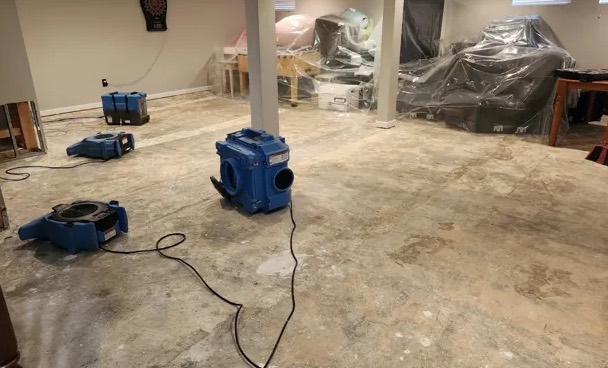
Temperature-Controlled Drying by Local Moisture Control Experts in Vineyards
In Vineyards, the air itself can slow drying. Local pros run industrial dehumidifiers to strip moisture from the air so wet materials dry faster.
In Vineyards and nearby Island Walk, Golden Gate and Pelican Marsh, fast structural drying stops mold before it starts. Local pros map moisture, then use LGR dehumidifiers and planned air mover placement until readings are normal.
Temperature-Controlled Drying Methods Available in Vineyards
Air Mover Placement for Drying
Expert deployment of air movers displaces the saturated air layer clinging to wet materials. Proper placement helps ensure every surface receives directed airflow, the engine of evaporation.
Climate-Controlled Drying Systems
For complex jobs, the specialists use industrial equipment to keep humid air from re-wetting materials, so walls dry all the way through.
Rapid Structural Drying Services
The specialists aim air movers at wet studs, joists and subfloors to dry the structure safely.
Drying Equipment Deployment
The specialists choose the mix of air movers, dehumidifiers and heaters from the size of the area, the materials and the moisture levels, then set it up to run safely.
Thermal Drying for Water Damage
The specialists apply thermal energy to enhance air mover and dehumidifier effectiveness. This lowers relative humidity, creating a stronger force to pull moisture from materials.
When to Call for Temperature-Controlled Drying in Vineyards, FL
Soft Drywall or Sagging Ceiling
Drywall feels spongy to the touch or a ceiling sags downward. This softness means the material is saturated and structurally compromised.
Moisture Meter Shows High Readings
A moisture meter reading high inside walls or floors means drying is not finished.
Visible Mold Growth in Corners
Black, green or white specks in damp corners or on baseboards are usually mold, which means moisture has been there a while.
Paint Peeling or Bubbling Up
Paint loses adhesion and forms bubbles or peels away from the wall. This failure is caused by moisture trapped beneath the paint film.
How Temperature-Controlled Drying Works in Vineyards
Step 1: Initial Moisture Survey and Readings
Pros take baseline moisture readings across the property to plan the drying.
Step 2: Precision Air Mover Placement
Air movers are placed at set angles and distances to target specific wet materials.
Step 3: Deployment of Drying Systems
Dehumidifiers are sized to the moisture load and the size of the space.
Step 4: Ongoing Monitoring and Adjustment
Equipment is moved and adjusted as materials dry, so drying keeps moving.
Sources of Water Intrusion Needing Moisture Removal in Vineyards
Inadequate Initial Water Extraction
Water left behind after a leak or flood moves into subfloors and walls, where it is harder to dry.
Foundation Cracks and Seepage
Hydrostatic pressure forces groundwater through cracks in the foundation wall. This seepage creates a constant dampness that challenges standard drying technology.
Overflowing Sinks or Bathtubs
A simple blockage or forgetfulness leads to an overflow event. Water spreads quickly, soaking cabinetry and flooring, and requires thorough drying equipment deployment.
Appliance Malfunction or Overflow
A failed washing machine hose, water heater or dishwasher can release many gallons onto the floor.
Residential and Commercial Drying in Vineyards, FL
Residential Temperature-Controlled Drying
At home, the pros dry wall cavities, subfloors and belongings with air movers and dehumidifiers, and keep drying logs for your insurance review.
Commercial Temperature-Controlled Drying
For businesses, rapid drying minimizes downtime and protects inventory, equipment, and building integrity. Large-scale drying systems are implemented to address moisture in offices, retail spaces, and warehouses.
When to Hire Local Specialists for Temperature-Controlled Drying in Vineyards
For a small, recent water spill, use towels to blot surface water and improve air circulation with fans. If water soaks into porous materials like drywall or carpet padding, contact the experts.
Understanding Temperature-Controlled Drying Cost in Vineyards
In Vineyards, cost depends on the size of the wet area and how aggressive the drying must be.
Moisture Mapping Complexity
Checking moisture in layered floors or hidden cavities takes more time and equipment.
Access and Logistics
Challenging site access in Vineyards can complicate equipment deployment and placement, potentially increasing setup time and labor requirements.
Equipment Needs
The number and type of air movers, dehumidifiers and heaters used affect the cost.
Does Insurance Cover Temperature-Controlled Drying?
The specialists in Vineyards provide thorough documentation including moisture mapping data to support a homeowner's claim. Coverage decisions belong to the insurer, so property owners should confirm with their provider.
Selecting Local Specialists for Temperature-Controlled Drying in Vineyards
Ongoing Moisture Monitoring
Regular checks with moisture meters verify that drying goals are met, helping ensure no residual dampness remains within walls or floors.
Strategic Equipment Deployment
Air movers and dehumidifiers are placed according to a plan for even airflow and low humidity.
24/7 Emergency Response
Quick action is critical to limit secondary damage, and the pros are available around the clock to begin the drying process.
24/7 Emergency Temperature-Controlled Drying in Vineyards
For thermal drying and moisture mapping in Vineyards, call (239) 441-2877 for help from the pros, day or night, and ask how they will track moisture until the materials are dry.
Call Now (239) 441-2877Temperature-Controlled Drying in Vineyards and Other Areas Served
The places below are also served, and each one has its own page.
- Temperature-Controlled Drying in Island Walk
- Temperature-Controlled Drying in Golden Gate
- Temperature-Controlled Drying in Pelican Marsh
- Temperature-Controlled Drying in Grey Oaks
- Temperature-Controlled Drying in Pine Ridge
- Temperature-Controlled Drying in Heritage Bay
- Temperature-Controlled Drying in Pelican Bay
- Temperature-Controlled Drying in Estero
Temperature-Controlled Drying Information and FAQs
What should a property owner do while waiting for help with drying?
If safe, remove obvious standing water with a mop or towels, move dry contents away from the wet area, and avoid using household fans which can spread contaminants.
Why is moisture mapping important for drying?
Sensors measure moisture across the affected area to show exactly where it is wet, so equipment is aimed at the right spots.
When is climate-controlled drying necessary versus regular drying?
Climate-controlled drying is necessary for severe losses, sensitive materials, or when precise environmental control is needed to prevent damage, unlike simple air drying for minor spills.
What is temperature-controlled drying?
It is a drying method that controls heat and humidity together to remove moisture from building materials and contents safely and quickly.
Can rapid drying technology dry a property too quickly?
Yes, excessive heat or airflow can cause surface crusting, cracking, or other material stress, which is why professional drying balances speed with material-specific safety limits.