The Meadows, FL · Sarasota County
Temperature-Controlled Drying in The Meadows, FLThermal Drying For Water Damage & Air Mover Placement For Drying
For Temperature-Controlled Drying in The Meadows, local moisture control experts handle thermal drying for water damage, humidity control for restoration, and drying equipment deployment to prevent mold.
Answered 24/7
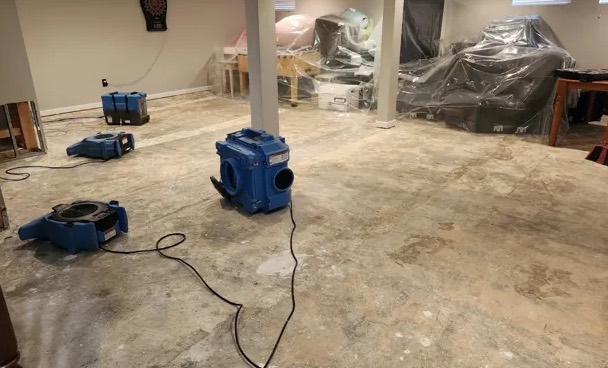
Temperature-Controlled Drying by Local Moisture Control Experts in The Meadows
In The Meadows, water trapped in subfloors, wall cavities or behind cabinets dries slowly because the air there does not move.
In The Meadows and nearby Desoto Lakes, Kensington Park and Fruitville, fast structural drying stops mold before it starts. Local pros map moisture, then use LGR dehumidifiers and planned air mover placement until readings are normal.
Specialized Temperature-Controlled Drying Offerings in The Meadows, FL
Thermal Drying for Water Damage
Controlled heat combats water damage in hard-to-dry areas like enclosed cavities. Expert calibration of drying equipment avoids harm to sensitive contents.
Air Mover Placement for Drying
The experts angle and space air movers in each room in The Meadows so air flows evenly across every wet surface.
Drying Equipment Deployment
The experts set up LGR dehumidifiers, axial fans and cavity drying systems to work together on the wet structure.
Water Damage Drying Logs
Key data like psychrometric readings and material moisture content are meticulously recorded. These logs show a clear trend toward dryness, confirming the job's success.
Humidity Control for Restoration
The experts run dehumidifiers to pull water vapor out of the air, which draws more moisture out of wet surfaces and prevents secondary damage.
Warning Signs Requiring Temperature-Controlled Drying in The Meadows
High Humidity Readings Inside
A hygrometer showing unusually high indoor humidity after water damage means the building is still wet.
Equipment Running With No Result
Fans or dehumidifiers that run for days without drying the area mean the moisture is deeper than household equipment can reach.
Cracking of Plaster or Joints
Plaster or drywall joint tape develops new cracks or fissures. These cracks occur as wet materials swell and then contract during drying.
Warping of Wood Floors or Trim
Floorboards begin to cup, buckle, or separate at the seams. This warping is a direct result of excessive, uneven moisture content.
How Temperature-Controlled Drying Works in The Meadows
Step 1: Detailed Moisture Mapping Inspection
The experts use advanced sensors to map all affected areas, including hidden cavities.
Step 2: Strategic Air Mover Deployment
Based on the map, the pros position high-velocity air movers to create optimal airflow across wet surfaces.
Step 3: Climate-Controlled Drying Implementation
Industrial dehumidifiers are deployed to precisely control temperature and humidity in the contained space.
Step 4: Continuous Moisture Monitoring and Logs
Pros take regular moisture readings to track progress, adjusting equipment as needed. Detailed drying logs document the entire process for your records.
Common Causes Requiring Structural Drying in The Meadows
Roof Leak During Heavy Rain
Wind-driven rain through a damaged roof or flashing can run down inside wall cavities, where it needs targeted drying.
Appliance Malfunction or Overflow
A failed washing machine hose, water heater or dishwasher can release many gallons onto the floor.
Overflowing Sinks or Bathtubs
A simple blockage or forgetfulness leads to an overflow event. Water spreads quickly, soaking cabinetry and flooring, and requires thorough drying equipment deployment.
Inadequate Initial Water Extraction
Water left behind after a leak or flood moves into subfloors and walls, where it is harder to dry.
Temperature-Controlled Drying for Homes and Businesses in The Meadows
Residential Temperature-Controlled Drying
At home, moisture hides in attics, crawl spaces and behind finished walls. Pros map it before setting up equipment so the whole house dries.
Commercial Temperature-Controlled Drying
In offices, schools and clinics, pros use quieter drying equipment that can run in occupied spaces, and document when drying is complete.
When to Hire Local Experts for Temperature-Controlled Drying in The Meadows
Ventilating the area by opening windows can help if outdoor humidity is lower than indoors, but this is rarely controlled or sufficient. You can create a list of damaged items for a potential insurance claim.
Investing in Professional Temperature-Controlled Drying in The Meadows
In The Meadows, the main price factors are how long drying takes and which equipment, such as heaters or desiccants, is used.
Structural Material Types
Porous materials like concrete or dense wood require more aggressive drying strategies and extended monitoring, influencing the project timeline and cost.
Moisture Mapping Complexity
Checking moisture in layered floors or hidden cavities takes more time and equipment.
Extent of Water Damage
The larger the area that needs drying, the more equipment and labor the job takes.
Does Insurance Cover Temperature-Controlled Drying?
The experts keep moisture readings and drying logs to support a claim. Policies differ, so verify coverage with your insurance representative.
Benefits of Local Experts for Temperature-Controlled Drying in The Meadows
24/7 Emergency Response
Quick action is critical to limit secondary damage, and local pros are available around the clock to begin the drying process.
Advanced Moisture Mapping
Moisture meters and thermal cameras find hidden wet pockets so every affected material is dried.
Comprehensive Drying Logs
Detailed, chronological logs of moisture readings and equipment settings provide a transparent record of the entire temperature-controlled drying process.
24/7 Emergency Temperature-Controlled Drying in The Meadows
Don't let moisture settle in. For emergency deployment of drying equipment and strategic air mover placement to start controlled drying, reach the experts directly at (239) 441-2877, available 24/7.
Call Now (239) 441-2877Temperature-Controlled Drying Serving The Meadows and Nearby Areas
The pros dry structures and control humidity in The Meadows and communities such as Desoto Lakes, Kensington Park and Fruitville.
- Temperature-Controlled Drying in Desoto Lakes
- Temperature-Controlled Drying in Kensington Park
- Temperature-Controlled Drying in Fruitville
- Temperature-Controlled Drying in Sarasota Springs
- Temperature-Controlled Drying in Southgate
- Temperature-Controlled Drying in Bee Ridge
- Temperature-Controlled Drying in Ridge Wood Heights
- Temperature-Controlled Drying in South Sarasota
Temperature-Controlled Drying Information and FAQs
What is temperature-controlled drying?
It is a drying method that controls heat and humidity together to remove moisture from building materials and contents safely and quickly.
What does drying equipment deployment involve?
Pros assess the loss, calculate how much equipment is needed and place air movers, dehumidifiers and sometimes heaters.
How is drying progress verified during moisture monitoring?
Progress is verified by taking comparative moisture readings with penetrating and non-penetrating meters over time, ensuring levels drop to established dry standards for each material.
What is the difference between air movers and dehumidifiers?
Air movers evaporate moisture from surfaces into the air, and dehumidifiers pull it back out of the air.
How does thermal drying for water damage work?
Thermal drying applies carefully managed heat to increase the evaporation rate of moisture trapped within materials, accelerating the drying process while monitored to prevent damage.