Tanglewood, FL
Temperature-Controlled Drying in Tanglewood, FLDrying Equipment Deployment & Air Mover Placement For Drying
Temperature-Controlled Drying in Tanglewood includes moisture mapping, rapid structural drying services and water damage drying logs from local drying equipment pros.
Answered 24/7
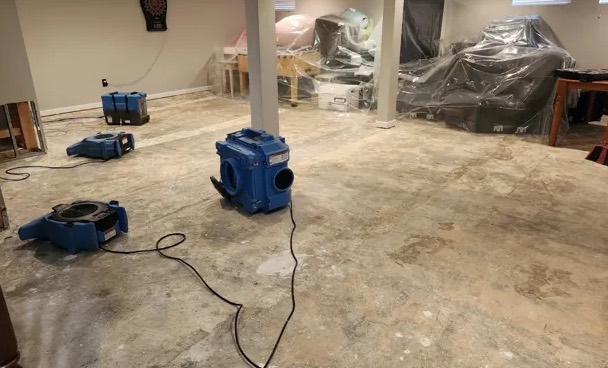
Temperature-Controlled Drying by Local Moisture Control Experts in Tanglewood
In Tanglewood, materials dry at different rates. Local pros map moisture content so each material gets the drying it needs.
In the Tanglewood area, pros check conditions with moisture meters and hygrometers, then set up climate-controlled drying and keep drying logs until materials are dry.
Specialized Temperature-Controlled Drying Offerings in Tanglewood, FL
Drying Equipment Deployment
The pros in Tanglewood position equipment to create the controlled environment. They set correct settings and may build containment barriers, turning the drying plan into action.
Air Mover Placement for Drying
The pros plan placement around furniture and walls, and may build air dams or blow air into cavities to cut drying time in Tanglewood homes.
Rapid Structural Drying Services
Rapid drying mitigates risk of long-term weaknesses or rot in wooden structures. The pros use specialized techniques like injecting dry air into wall cavities.
Water Damage Drying Logs
The pros compile drying logs with moisture maps, photos, and readings. This report documents the system's performance and the materials' response, demonstrating a professional approach.
Climate-Controlled Drying Systems
The pros set up systems that control temperature, humidity and airflow together, adjusting them as moisture readings change.
Warning Signs Requiring Temperature-Controlled Drying in Tanglewood
Cold, Damp Feeling in a Room
A room feels noticeably colder and damper than the rest of the house. This sensation is often due to evaporative cooling from wet materials.
Damp Odors Persisting After Water
A musty smell lingers even after visible water is gone, indicating hidden moisture. That odor often signals mold or trapped dampness.
Paint Peeling or Bubbling Up
Paint loses adhesion and forms bubbles or peels away from the wall. This failure is caused by moisture trapped beneath the paint film.
Visible Mold Growth in Corners
Black, green or white specks in damp corners or on baseboards are usually mold, which means moisture has been there a while.
How Temperature-Controlled Drying Works in Tanglewood
Step 1: Detailed Moisture Mapping Inspection
The experts use advanced sensors to map all affected areas, including hidden cavities.
Step 2: Strategic Air Mover Deployment
Based on the map, the pros position high-velocity air movers to create optimal airflow across wet surfaces.
Step 3: Climate-Controlled Drying Implementation
Industrial dehumidifiers are deployed to precisely control temperature and humidity in the contained space.
Step 4: Continuous Moisture Monitoring and Logs
Pros take regular moisture readings to track progress, adjusting equipment as needed. Detailed drying logs document the entire process for your records.
What Leads to Needing Temperature-Controlled Drying in Tanglewood
Roof Leak During Heavy Rain
Wind-driven rain through a damaged roof or flashing can run down inside wall cavities, where it needs targeted drying.
Undetected Plumbing Leaks
A slow drip behind a wall or under a slab saturates materials over time.
Poor Ventilation After a Flood
Closing up a wet room traps humid air, which slows drying and lets moisture soak further into materials.
Inadequate Initial Water Extraction
Water left behind after a leak or flood moves into subfloors and walls, where it is harder to dry.
Temperature-Controlled Drying for All Property Types in Tanglewood
Residential Temperature-Controlled Drying
At home, moisture hides in attics, crawl spaces and behind finished walls. Pros map it before setting up equipment so the whole house dries.
Commercial Temperature-Controlled Drying
In offices, schools and clinics, pros use quieter drying equipment that can run in occupied spaces, and document when drying is complete.
Temperature-Controlled Drying vs. DIY Drying in Tanglewood
Ventilating the area by opening windows can help if outdoor humidity is lower than indoors, but this is rarely controlled or sufficient. You can create a list of damaged items for a potential insurance claim.
Cost Considerations for Temperature-Controlled Drying in Tanglewood
In Tanglewood, the main price factors are how long drying takes and which equipment, such as heaters or desiccants, is used.
Equipment Needs
The number and type of air movers, dehumidifiers and heaters used affect the cost.
Access and Logistics
Challenging site access in Tanglewood can complicate equipment deployment and placement, potentially increasing setup time and labor requirements.
Structural Material Types
Porous materials like concrete or dense wood require more aggressive drying strategies and extended monitoring, influencing the project timeline and cost.
Does Insurance Cover Temperature-Controlled Drying?
Whether insurance pays for thermal drying for water damage depends on your policy's specific language and the cause of loss. The pros meticulously record moisture levels and drying progress to create a verifiable log for your adjuster.
Benefits of Local Pros for Temperature-Controlled Drying in Tanglewood
Comprehensive Drying Logs
Detailed, chronological logs of moisture readings and equipment settings provide a transparent record of the entire temperature-controlled drying process.
Humidity Control for Restoration
Keeping the air dry draws moisture out of materials until the space is stable.
Ongoing Moisture Monitoring
Regular checks with moisture meters verify that drying goals are met, helping ensure no residual dampness remains within walls or floors.
Emergency Temperature-Controlled Drying Response for Tanglewood, FL
Don't let moisture settle in. For emergency deployment of drying equipment and strategic air mover placement to start controlled drying, reach the pros directly at (239) 441-2877, available 24/7.
Call Now (239) 441-2877Temperature-Controlled Drying in Tanglewood and Other Areas Served
Homes and businesses throughout Tanglewood can get moisture mapping and rapid structural drying services as part of temperature-controlled drying.
- Temperature-Controlled Drying in Alva
- Temperature-Controlled Drying in Arcadia
- Temperature-Controlled Drying in Ave Maria
- Temperature-Controlled Drying in Babcock Ranch
- Temperature-Controlled Drying in Bee Ridge
- Temperature-Controlled Drying in Berkshire Lakes
- Temperature-Controlled Drying in Bokeelia
- Temperature-Controlled Drying in Bonita Springs
Your Temperature-Controlled Drying Questions Addressed
Can rapid drying technology dry a property too quickly?
Yes, excessive heat or airflow can cause surface crusting, cracking, or other material stress, which is why professional drying balances speed with material-specific safety limits.
How does thermal drying for water damage work?
Thermal drying applies carefully managed heat to increase the evaporation rate of moisture trapped within materials, accelerating the drying process while monitored to prevent damage.
How does humidity control aid in restoration?
Drier air pulls water out of wet materials faster, so lowering humidity speeds up drying.
What is the difference between air movers and dehumidifiers?
Air movers evaporate moisture from surfaces into the air, and dehumidifiers pull it back out of the air.
How is drying progress verified during moisture monitoring?
Progress is verified by taking comparative moisture readings with penetrating and non-penetrating meters over time, ensuring levels drop to established dry standards for each material.