North Port, FL · Sarasota County
Temperature-Controlled Drying in North Port, FLMoisture Mapping & Water Damage Drying Logs
Temperature-Controlled Drying in North Port includes thermal drying for water damage, rapid structural drying services, and humidity control for restoration managed by local drying equipment pros.
Answered 24/7
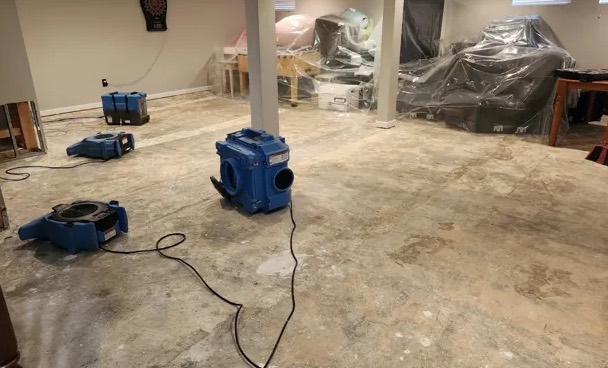
Temperature-Controlled Drying by Local Moisture Control Experts in North Port
In North Port, materials dry at different rates. Local pros map moisture content so each material gets the drying it needs.
In North Port and nearby Warm Mineral Springs, Murdock and Plantation, local pros map moisture in walls and subfloors, then fit thermal drying and humidity control to the materials in the building.
Temperature-Controlled Drying Methods Available in North Port
Moisture Mapping
Moisture mapping uses penetrating and non-penetrating meters to document water migration. This creates a blueprint of wet areas, including hidden moisture behind walls.
Water Damage Drying Logs
The pros compile drying logs with moisture maps, photos, and readings. This report documents the system's performance and the materials' response, demonstrating a professional approach.
Rapid Structural Drying Services
Fast structural drying uses high-velocity air movers, industrial dehumidifiers and sometimes heat, so families in North Port can return home sooner and mold does not start.
Air Mover Placement for Drying
The pros angle and space air movers in each room in North Port so air flows evenly across every wet surface.
Humidity Control for Restoration
The pros run dehumidifiers to pull water vapor out of the air, which draws more moisture out of wet surfaces and prevents secondary damage.
Symptoms Needing Temperature-Controlled Drying in North Port
Discoloration on Drywall or Ceilings
Yellow or brown water stains appear on surfaces that seem dry. These stains suggest moisture is still present inside the wall cavity.
Equipment Running With No Result
Fans or dehumidifiers that run for days without drying the area mean the moisture is deeper than household equipment can reach.
Cracking of Plaster or Joints
Plaster or drywall joint tape develops new cracks or fissures. These cracks occur as wet materials swell and then contract during drying.
Warping of Wood Floors or Trim
Floorboards begin to cup, buckle, or separate at the seams. This warping is a direct result of excessive, uneven moisture content.
How Temperature-Controlled Drying Works in North Port
Step 1: Initial Moisture Survey and Readings
Pros take baseline moisture readings across the property to plan the drying.
Step 2: Precision Air Mover Placement
Air movers are placed at set angles and distances to target specific wet materials.
Step 3: Deployment of Drying Systems
Dehumidifiers are sized to the moisture load and the size of the space.
Step 4: Ongoing Monitoring and Adjustment
Equipment is moved and adjusted as materials dry, so drying keeps moving.
Common Causes Requiring Structural Drying in North Port
Storm-Driven Water Intrusion
Heavy rain overflows gutters or gets in around windows and soaks framing and insulation.
Poor Ventilation After a Flood
Closing up a wet room traps humid air, which slows drying and lets moisture soak further into materials.
Inadequate Initial Water Extraction
Water left behind after a leak or flood moves into subfloors and walls, where it is harder to dry.
Undetected Plumbing Leaks
A slow drip behind a wall or under a slab saturates materials over time.
Whole-Property Temperature-Controlled Drying in North Port
Residential Temperature-Controlled Drying
At home, the pros dry wall cavities, subfloors and belongings with air movers and dehumidifiers, and keep drying logs for your insurance review.
Commercial Temperature-Controlled Drying
For businesses, rapid drying minimizes downtime and protects inventory, equipment, and building integrity. Large-scale drying systems are implemented to address moisture in offices, retail spaces, and warehouses.
Temperature-Controlled Drying vs. DIY Drying in North Port
Letting a room air dry for days risks mold and lets moisture wick into nearby materials. Air movers and dehumidifiers dry it in a fraction of the time.
Investing in Professional Temperature-Controlled Drying in North Port
In North Port, the price depends on the square footage, how long drying runs and which drying systems are used.
Drying Time Required
Longer drying periods for climate-controlled systems mean more equipment runtime and monitoring, impacting the overall cost of the restoration project.
Documentation Requirements
Detailed drying logs and moisture reports for insurance take extra time to prepare.
Extent of Water Damage
The larger the area that needs drying, the more equipment and labor the job takes.
Does Insurance Cover Temperature-Controlled Drying?
Insurance may help pay for drying if the cause is a covered loss. Pros provide moisture maps and equipment records for your insurer, which makes the coverage decision.
Benefits of Local Pros for Temperature-Controlled Drying in North Port
24/7 Emergency Response
Quick action is critical to limit secondary damage, and the pros are available around the clock to begin the drying process.
Comprehensive Drying Logs
Detailed, chronological logs of moisture readings and equipment settings provide a transparent record of the entire temperature-controlled drying process.
Advanced Moisture Mapping
Moisture meters and thermal cameras find hidden wet pockets so every affected material is dried.
Emergency Temperature-Controlled Drying Response for North Port, FL
Water damage gets worse quickly as moisture spreads into materials. Call (239) 441-2877 24 hours a day to start drying in North Port.
Call Now (239) 441-2877Temperature-Controlled Drying Serving North Port and Nearby Areas
The pros dry structures and control humidity in North Port and communities such as Warm Mineral Springs, Murdock and Plantation.
- Temperature-Controlled Drying in Warm Mineral Springs
- Temperature-Controlled Drying in Murdock
- Temperature-Controlled Drying in Plantation
- Temperature-Controlled Drying in Englewood
- Temperature-Controlled Drying in Port Charlotte
- Temperature-Controlled Drying in Deep Creek
- Temperature-Controlled Drying in Venice
- Temperature-Controlled Drying in Charlotte Harbor
- Emergency Damage Restoration in 34286
- Storm Damage Restoration in 34286
- Water Damage Restoration in 34286
- Water Extraction Service in 34286
- Water Leak Detection in 34286
- Water Removal Service in 34286
- Emergency Damage Restoration in 34287
- Storm Damage Restoration in 34287
Temperature-Controlled Drying FAQs for North Port Property Owners
What happens if hidden moisture is not found during mapping?
Undetected moisture can lead to ongoing deterioration, odor issues, and mold growth inside walls or under floors, underscoring the critical need for thorough initial assessment.
What is the difference between air movers and dehumidifiers?
Air movers evaporate moisture from surfaces into the air, and dehumidifiers pull it back out of the air.
Can temperature-controlled drying prevent mold growth?
By rapidly removing moisture and controlling humidity, the process creates an environment where mold cannot thrive, significantly reducing the potential for mold.
How is drying progress verified during moisture monitoring?
Progress is verified by taking comparative moisture readings with penetrating and non-penetrating meters over time, ensuring levels drop to established dry standards for each material.
Why is moisture mapping important for drying?
Sensors measure moisture across the affected area to show exactly where it is wet, so equipment is aimed at the right spots.