Charlotte Harbor, FL · Charlotte County
Septic Tank Backup Water Removal in Charlotte Harbor, FLSeptic Tank Drain Backup Cleanup & Septic Backup Odor Removal
Septic Tank Backup Water Removal in Charlotte Harbor includes emergency septic backup response, septic backup sewage cleanup, and septic system water damage repair for properties in Charlotte Harbor, a census-designated place in Charlotte County.
Answered 24/7
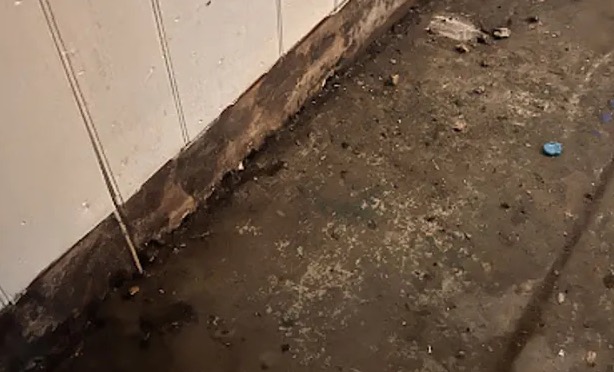
Expert Septic Tank Backup Water Removal for Charlotte Harbor Homes
Emergency septic backup service in Charlotte Harbor responds to the urgent need to remove hazardous water from living spaces. The overflow creates an immediate environment unfit for occupancy.
Septic backup water extraction in Charlotte Harbor and the broader region, including places like Punta Gorda, Port Charlotte and Cleveland, demands expertise in both water damage and biohazard cleanup. Local water removal pros are equipped with pumps and sanitizing agents to manage sewage backup removal safely.
Septic Tank Backup Water Removal Services in Charlotte Harbor
Septic Tank Drain Backup Cleanup
Cleanup for a septic tank drain backup in Charlotte Harbor involves clearing blockages and removing all contaminated water from the plumbing system. Local cleanup specialists then sanitize the drain lines and fixtures.
Septic Backup Odor Removal
Local septic backup water extraction experts ensure the smell is addressed at its origin, not just masked. This odor removal service employs air scrubbers and specialized treatments to neutralize the persistent sewage odor.
Septic Backup Flood Water Removal
The experts respond 24/7 with industrial-grade equipment for septic backup water extraction. Removing the flood water stabilizes the property.
Septic Backup Sewage Cleanup
The experts clean up the sewage and treat every surface it touched to reduce health risks.
Septic System Water Damage Repair
Repair work for septic system water damage in Charlotte Harbor begins after drying and decontamination are complete. The experts can replace damaged subflooring, drywall, and trim to restore the area.
Signs of Septic Tank Trouble in Charlotte Harbor
Wet Spots or Soggy Ground Outside
Damp, lush or spongy patches in the yard near the septic tank can mean the tank is backing up.
Overflow From Septic Tank Lid Area
Visible effluent or wet soil around the septic tank access lid is a clear sign the tank is full and septic system water removal is required.
Gurgling Sounds From Plumbing Vents
Bubbling or gurgling noises from roof vents or inside drains often precede visible septic tank flooding. Air is trapped by a blockage in the line.
Sewage Visible in Cleanout Pipe
If you check the main sewer cleanout and find standing wastewater, your septic system overflow water removal must be addressed by the experts.
How Septic Tank Backup Water Removal Works in Charlotte Harbor
Step 1: Septic Backup Response
The experts start with an emergency response and a first look at how far the sewage spread.
Step 2: Contaminated Water Removal
Extraction equipment removes the sewage and contaminated water before it spreads further.
Step 3: Sewage Cleanup and Sanitizing
Surfaces are disinfected and deodorized so no bacteria or smell is left behind.
Step 4: Damage Documentation and Repair
The damage is documented for your insurance claim, and repairs restore the affected rooms.
Common Causes of Septic Backups in Charlotte Harbor
Broken or Misaligned Sewer Pipes
Settling soil, age or pressure can break the main line from the house to the tank.
Damaged or Collapsed Drain Field
When the drain field fails, water has nowhere to go and backs up into the house again and again.
Old Age and General System Deterioration
Corroded pipes, cracked tanks and failed seals eventually let sewage back into the home.
Clogged Inlet or Outlet Baffles
Blockages at the tank's entry or exit points prevent proper flow. This disruption is a frequent reason for septic tank water extraction calls.
Residential and Commercial Septic Tank Backup Water Removal in Charlotte Harbor
Residential Septic Tank Backup Water Removal
Sewage smell can linger in a home after a septic backup. After cleanup, the pros remove the source, use air scrubbers and seal stained surfaces if the odor stays.
Commercial Septic Tank Backup Water Removal
For hotels or rental properties, a septic backup threatens reputation and revenue. Septic system water damage repair professionals work to rectify the plumbing issue and restore guest rooms or common areas with minimal downtime and thorough sanitization.
Professional Septic Tank Backup Water Removal Over DIY in Charlotte Harbor
You can safely identify and note the location of wet spots in your yard for the professionals. Avoid driving or walking over the suspected drain field area.
Cost Considerations for Septic Tank Backup Water Removal in Charlotte Harbor
Cost depends on how much water must be extracted and whether the drain line to the tank also backed up.
Decontamination Procedures
Thorough septic overflow decontamination involves specialized antimicrobial agents and cleaning processes, which contribute to the overall material and labor costs.
Damage Documentation
Detailed septic water damage documentation for insurance purposes involves time for photos, moisture mapping, and report preparation by the experts.
Structural Repairs
Any necessary septic system water damage repair, such as replacing subflooring or wall structures, is a separate line item in the restoration process.
Does Insurance Cover Septic Tank Backup Water Removal?
Whether insurance covers septic backup sewage cleanup depends on your policy's language regarding sewer or septic line backups. Some policies require a specific rider or endorsement for this type of water damage.
Benefits of Local Experts for Septic Tank Backup Water Removal
Detailed Damage Documentation
Photos, moisture readings, and detailed notes are compiled for your septic water damage documentation to support insurance communications.
System Damage Assessment
The pros inspect for hidden septic system water damage repair needs behind walls or under floors.
24/7 Emergency Response
Septic backups demand immediate attention; the experts are available around the clock for emergency septic backup response calls.
Emergency Septic Backup Help in Charlotte Harbor
A septic line backup needs professional help. For help from septic cleanup pros in your area, call (239) 441-2877 and describe what happened.
Call Now (239) 441-2877Septic Tank Backup Water Removal Available Around Charlotte Harbor
A septic backup can happen in any home on a septic system in Charlotte Harbor. Help is available here and in nearby communities like Punta Gorda, Port Charlotte and Cleveland.
- Septic Tank Backup Water Removal in Punta Gorda
- Septic Tank Backup Water Removal in Port Charlotte
- Septic Tank Backup Water Removal in Cleveland
- Septic Tank Backup Water Removal in Deep Creek
- Septic Tank Backup Water Removal in Murdock
- Septic Tank Backup Water Removal in North Port
- Septic Tank Backup Water Removal in Rotonda West
- Septic Tank Backup Water Removal in Warm Mineral Springs
Your Septic Tank Backup Water Removal Questions Addressed
How do pros document septic system water damage?
They use moisture meters, thermal imaging cameras, and photography to map affected areas, creating a detailed report for your records and potential insurance claim submission.
How is septic tank drain backup cleanup performed?
Specialists clear the drain line if possible, then extract standing water and meticulously clean all fixtures and surfaces that came into contact with the contaminated backup.
How long does septic tank overflow cleanup take?
The timeline varies with the severity. Simple extraction and cleaning may take a day, while jobs involving structural repairs and detailed decontamination can span several days.
What is septic tank backup water removal?
It is safely extracting contaminated water from a failed septic system, then cleaning and decontaminating the affected rooms.
What does septic overflow decontamination involve?
The process uses EPA-registered disinfectants and antimicrobial cleaners on all affected surfaces to kill bacteria and viruses, ensuring the area is sanitized and safe for reoccupation after the cleanup.