Clewiston, FL · Hendry County
Rapid Structural Drying in Clewiston, FLWall Cavity Drying & Concrete Slab Drying
Rapid Structural Drying in Clewiston involves emergency structural drying, wall cavity drying, and flood drying services from restoration pros.
Answered 24/7
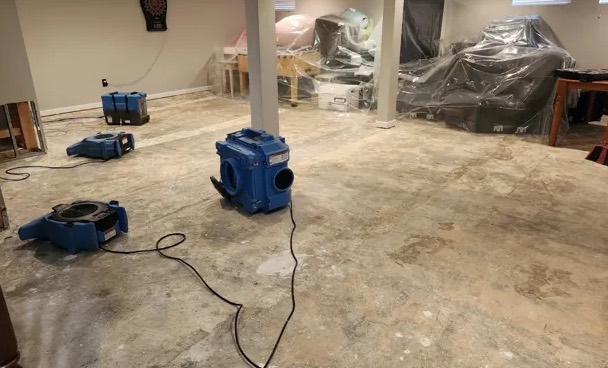
Local Rapid Structural Drying for Clewiston Homes and Businesses
Wall cavities act as hidden reservoirs for water after a leak. Insulation and framing inside walls hold moisture long after surface water is gone.
Fast structural drying is essential for homes throughout Clewiston. Local structural drying pros provide subfloor drying and crawl space drying to protect foundational elements. Services reach neighboring areas including Harlem and Moore Haven for broader support.
Advanced Rapid Structural Drying Processes
Wall Cavity Drying
Moisture locked within a wall demands a focused drying solution. Desiccant dehumidifiers are often used to aggressively pull moisture from the enclosed area.
Concrete Slab Drying
After a major flood, a concrete floor often holds significant moisture. Drying the slab prevents future problems with flooring and humidity.
Crawl Space Drying
Properties in Clewiston may have crawl spaces affected by seasonal moisture. The pros seal vapor barriers and run drying equipment until wood moisture content returns to safe levels.
Moisture Mapping Services
Knowing where moisture hides is essential. Moisture mapping involves systematic checks of walls, floors, and ceilings to document saturation levels.
Structural Dehumidification
After water extraction, dehumidification tackles the remaining vapor. Structural dehumidification creates a drying gradient, pulling moisture from wet materials into the drier air.
When to Consider Rapid Structural Drying in Clewiston
Squeaking or Soft Floor Areas
Unusual noises or soft spots when walking indicate compromised subflooring from water damage that needs assessment.
Visible Water Stains on Walls
Yellow or brown stains on drywall or ceilings mean water got into the material and may still be inside.
Water Pooling in Crawl Spaces
Standing water under your home puts floor framing at risk and needs pumping and drying.
Condensation Inside Window Frames
Excessive condensation can lead to wall cavity moisture and rot, a common issue addressed by the pros.
How Rapid Structural Drying Works in Clewiston
Step 1: Water Extraction and Containment
The process begins with extracting any standing water, then containing the affected area to prevent moisture migration to dry parts of the building.
Step 2: Professional Drying Equipment Deployment
Powerful desiccant and refrigerant dehumidifiers are deployed alongside air movers to aggressively remove moisture from the air and building materials.
Step 3: Focused Crawl Space and Slab Drying
Hard areas get specific methods, such as ducted air for crawl spaces and floor mats for concrete slabs.
Step 4: Final Moisture Validation and Documentation
Final moisture readings are taken and documented with photos and reports for your insurer, confirming the structure is dry and stable.
What Leads to Needing Rapid Structural Drying
Landscaping or Grading Problems
Improper yard slope can direct water toward a foundation, leading to persistent dampness in slabs and crawl spaces.
Appliance Malfunctions and Leaks
Faulty water heaters, washing machines, or dishwashers can leak slowly, causing hidden damage in walls and floors over time.
Clogged Gutters and Downspouts
When gutters overflow, water pools against the foundation and can seep into crawl spaces, slabs and lower walls.
Overflowing Sinks or Bathtubs
A bathroom overflow can send water under flooring and into wall cavities, where it stays hidden.
Both Home and Business Rapid Structural Drying
Residential Rapid Structural Drying
Homes have drywall and hardwood that can often be saved if dried quickly. Pros dry wall cavities in place to avoid tearing out finishes.
Commercial Rapid Structural Drying
In commercial settings, structural drying addresses complex building systems. The experts handle large open spaces, server rooms, and retail floors, using structural dehumidification to meet strict dryness standards for safety and reopening.
Why DIY Rapid Structural Drying Often Fails
Watch the indoor humidity with a hygrometer if you have one. Running your air conditioner can lower humidity for a while, but it will not dry wet walls or subfloors.
Understanding Rapid Structural Drying Investment
In Clewiston, the cost of professional structural drying is influenced by the number of rooms affected and the type of materials involved. Drying thick concrete slabs or enclosed wall cavities typically requires more resources.
Water Contamination Category
Clean water from a broken pipe is simpler to address than contaminated flood water, which requires more extensive safety and drying protocols.
Required Drying Equipment
The number and type of industrial air movers, dehumidifiers, and moisture meters deployed for structural moisture removal influence operational costs.
Moisture Mapping Scope
Detailed moisture mapping services to track drying progress across a structure require additional time and diagnostic tools from the pros.
Does Insurance Cover Rapid Structural Drying?
Whether insurance covers emergency structural drying in Clewiston is determined by your specific policy language. It is essential to confirm coverage details with your insurance provider before authorizing any major work.
The Importance of Expert Rapid Structural Drying
Advanced Moisture Detection
Tools like thermal imagers and moisture meters are used for accurate moisture mapping to find hidden water.
Focus on Structural Integrity
The process prioritizes drying the building structure itself, including wall cavities and subfloors, to protect its stability.
Prevention of Mold Growth
Rapid drying helps control humidity levels, creating an environment less conducive to mold development after water intrusion.
24/7 Rapid Structural Drying When You Need It
Don't wait for hidden moisture in crawl spaces or concrete slabs to cause more damage. For emergency structural drying and dehumidification, call (239) 441-2877 at any hour to get started.
Call Now (239) 441-2877Local Rapid Structural Drying Coverage Area
Each place listed below has its own page with local details.
- Rapid Structural Drying in Harlem
- Rapid Structural Drying in Moore Haven
- Rapid Structural Drying in LaBelle
- Rapid Structural Drying in Port LaBelle
- Rapid Structural Drying in Felda
- Rapid Structural Drying in Immokalee
- Rapid Structural Drying in Alva
- Rapid Structural Drying in Lehigh Acres
- Emergency Damage Restoration in 33440
- Storm Damage Restoration in 33440
- Water Damage Restoration in 33440
- Water Extraction Service in 33440
- Water Leak Detection in 33440
- Water Removal Service in 33440
Rapid Structural Drying FAQs
What equipment is used for water mitigation drying?
Water mitigation drying utilizes industrial air movers for evaporation, high-capacity dehumidifiers to remove vapor, and moisture meters to monitor progress throughout the structural drying process.
How does emergency structural drying differ from regular drying?
It is drying that starts as an emergency call, often outside business hours, with equipment set up to protect the structure before materials swell or grow mold.
Why is quick action critical for structural drying?
Quick action limits the extent of water absorption into materials, reduces the drying time required, and helps minimize the potential for costly repairs related to structural decay or mold.
What areas of a home need structural moisture removal?
Structural moisture removal often targets concealed areas like behind walls, under floors, within ceiling cavities, and in support beams where water can linger and cause hidden damage.
What is involved in subfloor drying?
Subfloor drying involves using specialized air movers and dehumidifiers to draw moisture out of the wooden or concrete layer beneath flooring, often requiring access panels or strategic placement of equipment.