ZIP 33910 · Cape Coral, FL · Lee County
Emergency Damage Restoration in 33910Firefighting Water Cleanup & Emergency Water Extraction
Property owners in Cape Coral get Emergency Damage Restoration for emergency water removal, flood damage cleanup and sewage backup cleanup.
Answered 24/7
Local Emergency Damage Restoration Solutions in 33910
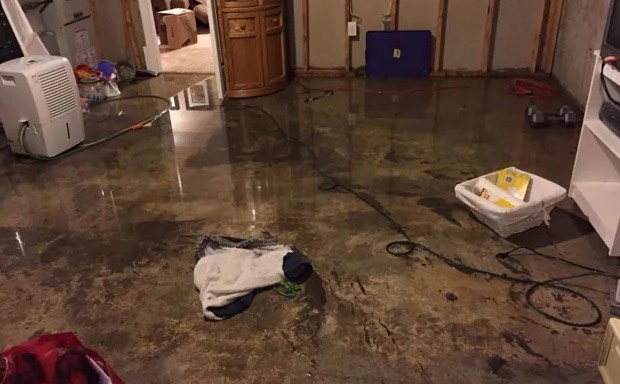
The first hours after water damage in Cape Coral shape the whole job. Water that is extracted quickly leaves less to dry and fewer materials to replace. Water left overnight soaks deeper into walls, floors and belongings.
A storm in Cape Coral can damage many buildings at once. Local water damage restoration experts serve Cape Coral and nearby McGregor, Cypress Lake and Iona, with help available around the clock.
Detailed Emergency Damage Restoration Offerings in 33910
Firefighting Water Cleanup
Rooms that got wet but not burned are dried quickly so they can be repaired rather than replaced.
Emergency Water Extraction
Emergency extraction focuses on the rooms where water is deepest and the areas where it threatens to reach the floor below.
Structural Drying Services
Structural drying targets the materials water soaked into, using directed airflow into wall cavities and under flooring.
Sewage Backup Cleanup
After extraction, every surface the sewage touched is cleaned and disinfected before drying equipment goes in.
Storm Damage Repair
Storm water is cleared from ceilings, walls and floors, and wet insulation and drywall are removed where needed so the structure can dry.
When to Call for Emergency Damage Restoration in 33910
Gaps or Damage After a Storm
Missing shingles, broken windows or other storm damage can let rain into the building during the next storm.
Visible Water Pooling or Dripping
Water pooling on floors or dripping from ceilings means an active leak that needs attention right now.
Mold Patches on Walls or Baseboards
Dark spots on walls, ceilings or baseboards mean an area has stayed wet for days.
Discolored or Sagging Ceilings
A ceiling that is stained, bulging or sagging is holding water and may fall. Keep people clear.
How Emergency Damage Restoration Works in 33910
Step 1: On-Scene Evaluation and Triage
The most urgent areas, such as sagging ceilings or water near outlets, are handled first.
Step 2: Water Removal
Standing water is pumped out, and soaked carpet pad and drywall are removed where needed.
Step 3: Dehumidification and Moisture Control
Dehumidifiers bring humidity down while air movers keep dry air moving across wet surfaces.
Step 4: Contents Cleaning
Belongings are cleaned, dried or listed, and the space is readied for repairs.
Common Causes of Water Damage in 33910
Firefighting Water
Water from hoses and sprinklers used to put out a fire soaks rooms throughout the building.
Severe Weather and Flooding
Severe storms and flooding push water into buildings through roofs, walls and doors.
HVAC System Condensate Issues
Clogged AC condensate drains overflow into closets, attics and the ceilings of the rooms below.
Sewer Line Blockages or Failures
Blocked or broken sewer lines push wastewater up into floor drains, tubs and toilets.
Emergency Damage Restoration for Homes and Businesses in 33910
Residential Emergency Damage Restoration
In homes, emergencies usually start with a burst pipe, a storm leak or a sewer backup. Water is extracted, belongings protected and the house dried so the family can return to normal.
Commercial Emergency Damage Restoration
In businesses, water emergencies can close the doors. Extraction and drying are planned to reopen parts of the space as soon as it is safe.
Emergency Damage Restoration vs. DIY: When to Call the Pros
A small spill on a hard floor can be mopped and dried with a fan. Water in carpet pad, walls or subfloors needs extraction and drying equipment.
Estimating Your Emergency Damage Restoration Investment in 33910
After-hours calls, contents handling, roof tarping and drywall removal all add to the total for emergency damage restoration in Cape Coral.
Access Complexity
Multi-story buildings, crawl spaces and attics take more time to reach and work in.
Equipment Needs
The number of pumps, extractors, air movers and dehumidifiers needed affects the total cost.
Secondary Damage
Damage that spread because water sat for days adds more materials to remove and replace.
Does Insurance Cover Emergency Damage Restoration?
Photograph the water, the source and damaged belongings before cleanup starts, and keep receipts for emergency extraction, tarping and any hotel stay.
Selecting Local Pros for Your Emergency Damage Restoration Needs in 33910
Detailed Damage Documentation
Photos, readings and drying logs are kept from the first visit to support your insurance claim.
Structural Checks
Floors, ceilings and framing are checked for weakness before and during the work.
Industry Methods
Extraction and drying follow industry water damage standards, with readings at every visit.
Around-the-Clock Help for Emergency Damage Restoration in 33910
Every hour water sits, the damage grows. Call (239) 441-2877 for emergency damage restoration in Cape Coral at any time, including nights and holidays.
Call Now (239) 441-2877Emergency Damage Restoration Near 33910: Areas Served
Help with emergency damage restoration is also available in communities near Cape Coral, including McGregor, Cypress Lake and Iona, for burst pipes, storms, floods and backups.
FAQ for Emergency Damage Restoration in 33910
Why is quick action so important for water damage?
Materials soak up more water every hour, and mold becomes more likely after a day or two.
What happens during the structural drying phase?
Air movers and dehumidifiers run continuously, and readings are taken daily until materials are dry.
What is the goal of disaster recovery after water damage?
To remove water, dry the structure and leave the property ready for repairs without hidden moisture.
How does Emergency Damage Restoration usually start?
With a call, a safety check, stopping the water source and extracting standing water as soon as possible.
Can storm damage repair prevent future water problems?
Tarping roof openings and drying the inside limits damage. Permanent roof and window repairs prevent the next leak.