Bonita Springs, FL · Lee County
Desiccant Dehumidification in Bonita Springs, FLCommercial Building Desiccant Drying & Commercial Desiccant Dehumidification
Post-Flood Structural Drying, water damage drying systems, and industrial moisture removal form a Desiccant Dehumidification plan for Bonita Springs.
Answered 24/7
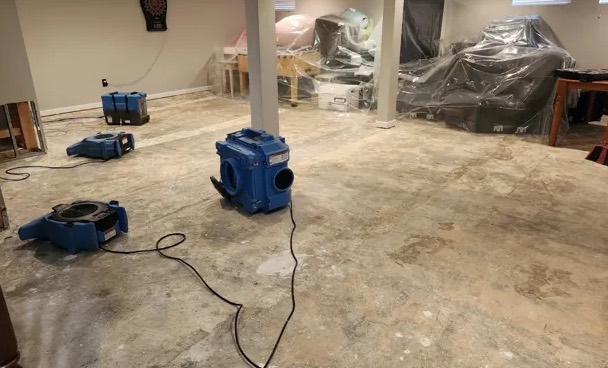
Expert Desiccant Dehumidification for Bonita Springs Homes & Businesses
In Bonita Springs, homes and businesses alike use it after a disaster. Desiccant units pull water vapor from the air and building materials.
For desiccant dehumidification on a property in Bonita Springs, the drying setup depends on the building's size and materials. Local drying specialists assess each situation to choose the right drying methods. Nearby areas like Palm River, Willoughby Acres and Naples Park are served too.
Comprehensive Desiccant Dehumidification Offerings in Bonita Springs
Commercial Building Desiccant Drying
When commercial buildings suffer water intrusion, desiccant drying offers a powerful solution for large, enclosed areas. The process actively strips moisture from the air to accelerate drying of structural components.
Commercial Desiccant Dehumidification
After business water damage, commercial desiccant dehumidification creates dry conditions fast. Adsorption removes airborne moisture, which helps dry dense concrete and wood. It prevents secondary damage and can cut downtime.
Water Damage Drying Systems
Water damage drying systems combine desiccant dehumidifiers, air movers, and monitors for a controlled environment. The desiccant unit removes moisture from air so wet materials release vapor faster.
Industrial Moisture Removal
Industrial moisture removal tackles severe water in factories and large facilities. Desiccant systems offer high-capacity drying for vast air volumes and embedded moisture. It protects machinery and electrical systems from corrosion.
Post-Flood Structural Drying
Post-flood structural drying with desiccant systems addresses hidden moisture in cavities. Units maintain low humidity, forcing moisture from wood and concrete to migrate out, a key service from the specialists in Bonita Springs.
When to Call for Desiccant Dehumidification in Bonita Springs
Peeling Paint or Wallpaper
Paint or wallpaper that bubbles and peels is a classic sign of moisture intrusion behind the surface.
Persistent Damp Feeling in Air
When the air constantly feels damp and heavy, industrial drying services may be required to dry it effectively.
Efflorescence on Masonry Surfaces
White, powdery deposits on concrete or brick signal water migration and salt deposits from moisture.
High Humidity Readings on a Meter
A moisture meter showing consistently high readings confirms the need for targeted desiccant drying process intervention.
How Desiccant Dehumidification Works in Bonita Springs
Step 1: Containment and Safety Setup
The area is contained to prevent cross-contamination, and safety measures are established before industrial drying services begin.
Step 2: Strategic Air Drying Equipment Deployment
Desiccant dehumidifiers and axial fans are set up together for strong, steady airflow.
Step 3: Continuous Moisture Control Monitoring
Moisture control solutions involve continuous monitoring of humidity and material moisture levels to adjust the desiccant dehumidification as needed.
Step 4: Structural Drying Verification
The final step involves a verification using thermal imaging and probes to confirm all structural drying techniques were successful.
Sources Requiring Moisture Control Solutions in Bonita Springs
Appliance Malfunctions and Overflows
Failing water heaters, washing machines, or dishwashers can flood an area quickly, saturating floors and walls.
Roof Leaks During Heavy Rain
Compromised roofing allows water intrusion into attics and ceilings, leading to widespread structural water damage.
Storm Driven Water Intrusion
Severe weather can force water through window seals, door frames, or other building vulnerabilities.
Foundation Cracks and Seepage
Cracks in a foundation can permit groundwater seepage, creating a constant source of dampness below grade.
Desiccant Dehumidification Services for All Property Types in Bonita Springs
Residential Desiccant Dehumidification
Residential attics and crawl spaces are prone to condensation and hidden dampness. High capacity dehumidification rental units allow the specialists to maintain low humidity drying conditions for days.
Commercial Desiccant Dehumidification
Restaurants and hotels face operational disruption from kitchen or laundry floods. Emergency moisture extraction followed by desiccant dehumidification prevents business interruption and upholds health codes.
Desiccant Dehumidification vs. DIY: When to Call Drying Specialists
Checking for obvious leaks under sinks or around appliances is a safe homeowner task. You can also empty drip pans. For whole-room saturation or musty odors, high capacity dehumidifiers deployed by emergency moisture extraction pros are the effective solution.
Factors Affecting Desiccant Dehumidification Cost in Bonita Springs
In Bonita Springs, costs depend on square footage, starting humidity levels and whether emergency service is needed right away.
Moisture Severity
The depth of water saturation and the type of materials affected dictate the intensity and duration of post-flood structural drying methods required.
Containment Requirements
Creating sealed drying chambers with barriers and negative air machines for targeted desiccant drying adds material and labor to the project scope.
Equipment Needs
The number of high capacity dehumidifiers, air drying equipment, and specialized water damage drying systems needed for the job influences rental and operational costs.
Does Insurance Cover Desiccant Dehumidification?
Insurance coverage for emergency moisture extraction services varies by policy. The specialists in Bonita Springs provide reports; confirm coverage with your insurer.
Benefits of Local Experts in Bonita Springs
Industry-Standard Drying Methods
Drying follows industry guidelines and ends with checks against dry standard readings.
Targeted Moisture Removal
The desiccant process actively absorbs moisture from the air, providing efficient drying for post-flood structural drying and deep material saturation.
Advanced Desiccant Technology
Using specialized desiccant dehumidification equipment allows for effective low humidity drying even in cold or challenging environments where conventional units struggle.
Round-the-Clock Desiccant Dehumidification in Bonita Springs, FL
For urgent desiccant dehumidification and structural drying techniques from the experts, call the emergency response number at (239) 441-2877.
Call Now (239) 441-2877Desiccant Dehumidification Available Throughout Palm River, Willoughby Acres and Naples Park
The specialists serve Bonita Springs and nearby Palm River, Willoughby Acres and Naples Park with desiccant drying for large and small spaces.
Desiccant Dehumidification FAQ for Bonita Springs Residents
What follows the industrial moisture removal phase?
Following the industrial moisture removal phase, a final verification is performed to confirm all materials meet dryness standards, and detailed documentation is provided for your records.
What happens during emergency desiccant dehumidification?
During emergency desiccant dehumidification, the specialists assess the loss, deploy high capacity dehumidifiers, establish drying chambers, and begin the desiccant process to extract moisture 24/7.
How long does post-flood structural drying take?
Post-flood structural drying duration depends on material saturation depth, ambient conditions, and the desiccant dehumidification capacity used; it's a process-driven approach monitored until dryness goals are met.
What is the desiccant dehumidification process?
Desiccant dehumidification uses a moisture-absorbing rotor and reactivation air stream to actively pull water vapor from the air, enabling effective low humidity drying even in cold conditions for post-flood structural drying.
How is the desiccant drying process monitored?
The desiccant drying process is monitored using moisture meters, hygrometers, and thermal imaging to track progress toward dryness goals and adjust the moisture removal strategy as needed.