Tanglewood, FL
Clean Water Extraction (Category 1) in Tanglewood, FLClean Water Removal From Flooring & Wall Cavity Water Extraction
Clean Water Extraction (Category 1) in Tanglewood runs from standing water pump out and appliance leak water cleanup to wall cavity water extraction.
Answered 24/7
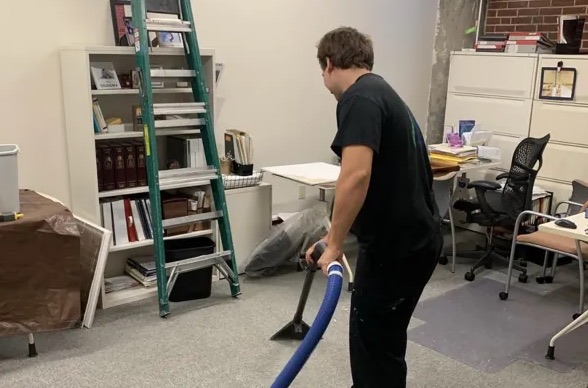
Clean Water Extraction (Category 1) for Tanglewood Properties
Clean water from a pipe in the ceiling or floor above can soak a room below in Tanglewood. The ceiling may bulge with water before it starts to drip.
The Clean Water Extraction (Category 1) Process for Properties in Tanglewood
Clean Water Removal From Flooring
Clean water is removed from every type of flooring in the affected area, from carpet to tile to wood, using the method that suits each.
Wall Cavity Water Extraction
Water that soaked into the bottom of walls is reached through small holes or removed baseboards, then the cavity is dried with directed airflow.
Standing Water Pump Out
Pumping removes deep water quickly and keeps it from wicking higher into walls and cabinets while extraction gets under way.
Hard Surface Floor Drying
Hardwood is dried slowly with dehumidifiers and, where needed, drying mats that pull water from the boards without cracking them.
Ceiling Leak Water Removal
Clean water dripping through a ceiling from a pipe or fixture above is drained, and wet drywall and insulation are removed where needed.
How to Know You Need Clean Water Extraction (Category 1) in Tanglewood
Water Stains on Ceilings
A new stain on the ceiling usually means clean water from a pipe or fixture above.
Damp or Soft Drywall
Drywall that feels soft or damp near the floor has wicked up water from a leak.
Water Around Appliances
Water around the washer, water heater, dishwasher or refrigerator points to a failing hose or fitting.
Buckling Laminate Flooring
Laminate that buckles, cups or lifts at the seams has water trapped underneath it.
How Clean Water Extraction (Category 1) Works in Tanglewood
Step 1: Containment and Content Protection
Furniture is moved or blocked up, and dry rooms are protected from the spreading water.
Step 2: High-Volume Water Extraction
Pumps and extractors pull water from floors, carpet and under cabinets and appliances.
Step 3: Applied Structural Drying
Air movers and dehumidifiers dry walls, floors and framing, adjusted as readings drop.
Step 4: Final Clearance Readings
Readings across the area are compared to dry rooms before equipment is removed.
Common Causes of Clean Water Damage in Tanglewood
Appliance Malfunctions
Washers, dishwashers and refrigerators fail at hoses and fittings and leak onto the floor.
Supply Line Breaks
Toilet, faucet and appliance supply lines split or loosen and release water under pressure.
Fire Sprinkler Activation
A damaged or triggered fire sprinkler releases clean water across a room.
Overflowing Sinks or Tubs
Sinks and tubs left running overflow with clean water onto floors and into rooms below.
Clean Water Extraction (Category 1) in Tanglewood: Residential and Commercial
Residential Clean Water Extraction (Category 1)
In two-story homes, a clean water leak upstairs often reaches the ceiling below. Both levels are extracted and dried.
Commercial Clean Water Extraction (Category 1)
Warehouses and large spaces may need extra pumps and dehumidifiers for open floors, sized to the area that got wet.
The Risks of DIY Clean Water Extraction (Category 1) in Tanglewood
Running household fans helps the surface dry, but clean water trapped under floors and inside walls needs dehumidifiers and moisture readings to dry fully and safely.
Considerations for Clean Water Extraction (Category 1) Expenses in Tanglewood
The cost of clean water extraction (category 1) in Tanglewood depends on how much water there is, how many rooms it reached and how long drying takes.
Material Saturation Level
Materials soaked through take longer to dry than materials that were only damp on the surface.
Water Category and Source
Clean water costs less to handle than gray or black water, since more materials can be dried in place.
Equipment Needs
The number of air movers, dehumidifiers and pumps needed, and for how long, drives much of the cost.
Does Insurance Cover Clean Water Extraction (Category 1)?
The failed appliance or pipe itself is often not covered, even when the water damage is. Ask your adjuster how your policy treats each.
Why Choose Local Pros for Clean Water Extraction (Category 1) in Tanglewood
Clear Communication and Updates
You get plain updates on what is wet, what can be saved and how long drying should take.
Industry Drying Standards
Drying follows industry water damage standards, with readings taken at every visit.
Content Protection and Moving
Furniture and belongings are moved or blocked up so they stay dry and do not stain carpet.
Emergency Clean Water Extraction (Category 1) Response for Tanglewood
Supply hose burst and water still spreading across the floor? Shut off the main and call (239) 441-2877 now for clean water extraction (category 1) in Tanglewood.
Call Now (239) 441-2877Local Clean Water Extraction (Category 1) Areas Including Tanglewood
Homes and businesses throughout Tanglewood can get hard surface floor drying and appliance leak water cleanup as part of clean water extraction (category 1).
- Clean Water Extraction (Category 1) in Alva
- Clean Water Extraction (Category 1) in Arcadia
- Clean Water Extraction (Category 1) in Ave Maria
- Clean Water Extraction (Category 1) in Babcock Ranch
- Clean Water Extraction (Category 1) in Bee Ridge
- Clean Water Extraction (Category 1) in Berkshire Lakes
- Clean Water Extraction (Category 1) in Bokeelia
- Clean Water Extraction (Category 1) in Bonita Springs
Common Clean Water Extraction (Category 1) Queries Answered
What is the goal of water mitigation services?
To limit the damage by removing water and drying materials before they need to be replaced.
Is commercial water extraction different from residential?
The steps are the same, but commercial jobs often cover larger areas and are planned around business hours.
Why is content protection part of water extraction?
Furniture and belongings in wet areas can stain carpet and absorb water, so they are moved or blocked up early.
What happens after the water is pumped out?
Carpet and floors are extracted, walls and subfloors are checked with meters and drying equipment runs until readings are normal.
What methods are used for water behind walls?
Small holes or removed baseboards let air into the cavity, wet insulation is removed and the wall is dried until readings are normal.