Port LaBelle, FL · Hendry County
Attic Water Removal in Port LaBelle, FLCeiling Water Damage Cleanup & Attic Mold Prevention
Attic Water Removal in Port LaBelle runs from roof leak water removal and wet attic insulation removal to ceiling water damage cleanup.
Answered 24/7
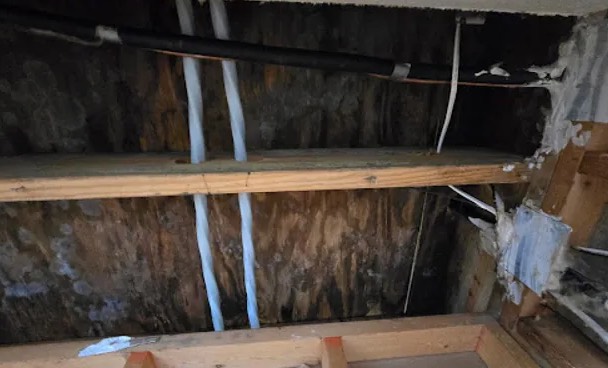
Expert Attic Water Removal for Port LaBelle
In Port LaBelle, the most common attic water sources are roof leaks, attic AC units and plumbing that runs through the attic. Each one needs to be stopped before drying can work.
Homes in Port LaBelle and nearby LaBelle, Fort Denaud and Charleston Park often have AC units, ducts and plumbing in the attic, as well as insulation. The pros handle water from any of those sources, plus roof leaks after storms.
The Attic Water Removal Process in Port LaBelle
Ceiling Water Damage Cleanup
After the ceiling cavity is dry, the opening is ready for new drywall, tape and paint.
Attic Mold Prevention
Ventilation problems, such as blocked soffit vents or a bath fan venting into the attic, are pointed out so the attic does not stay damp.
Attic Moisture Inspection
The inspection shows the full spread of the leak, so every wet area is either dried or removed.
Wet Attic Insulation Removal
Only the wet sections come out. The edges of the wet area are checked with a meter so dry insulation is not removed by mistake.
Roof Leak Water Removal
The entry point is photographed and marked, which helps both the roofer and your insurance adjuster.
Symptoms Requiring Attic Water Removal in Port LaBelle
Water Stains on Ceiling
A brown ring or yellow patch on an upstairs ceiling usually means water is sitting on the drywall from the attic.
Rotting Wood on Attic Beams
Soft, dark or crumbling wood on rafters and beams points to long-term moisture.
Water Dripping From Light Fixtures
Water dripping from a ceiling light or fan means an active leak above. Turn off that circuit.
Condensation on Attic Windows or Nails
Damp nail tips or water droplets on attic surfaces point to moisture or ventilation problems.
How Attic Water Removal Works in Port LaBelle
Step 1: Attic Flood Cleanup Response
Active drips are contained with buckets and plastic, and the room below is protected.
Step 2: Targeted Attic Moisture Removal
Water is vacuumed from between joists and on top of drywall, starting where it is deepest.
Step 3: Attic Dehumidification
Dehumidifiers pull moisture from the attic air while air movers dry the wet framing.
Step 4: Documentation for Restoration
Photos and moisture readings are compiled to show what was removed and when the attic dried.
Leading Origins of Attic Water Damage
Clogged or Disconnected Gutters
Clogged or loose gutters let water back up under the roof edge and into the soffits.
Overflow From Clogged Bathroom Exhaust Ducts
Bathroom fan ducts that are loose or vented into the attic release moisture onto the wood.
Flashing Failures Around Roof Penetrations
Failed flashing around vents, chimneys and skylights lets rain run into the attic.
Storm Damage From High Winds or Hail
High winds and hail can damage shingles and open the roof to rain during a storm.
Residential and Commercial Attic Water Removal in Port LaBelle
Residential Attic Water Removal
In houses, attic water usually reaches a bedroom or hallway ceiling. Water and wet insulation are removed from above, and the ceiling below is dried or replaced.
Commercial Attic Water Removal
In commercial buildings, water above a drop ceiling soaks tiles and insulation over several rooms. Wet tiles are removed and the plenum space above is dried.
Professional Attic Water Removal Compared to DIY
If you can do it safely, look into the attic with a flashlight to find the wet area. Removing soaked insulation and drying the framing needs boards, protective gear and equipment.
Estimating Attic Water Removal Expenses in Port LaBelle
Tight attic access, blown-in insulation removal and storm-night calls all add to the total for attic water removal in Port LaBelle.
Emergency Service Timing
Storm, night and holiday calls can cost more than a scheduled visit.
Access and Attic Complexity
Low headroom and small access hatches make attic work slower than open spaces.
Extent of Water Damage
A leak confined to one bay costs less than water spread across the attic and the rooms below.
Does Insurance Cover Attic Water Removal?
Insurers often ask what caused the leak and how long it ran. Notes on the entry point and roof condition help answer those questions.
Advantages of Hiring Local Pros for Attic Water Removal in Port LaBelle
Dehumidification Equipment
Dehumidifiers sized for the attic remove moisture much faster than roof vents and open hatches alone.
Structural Drying Focus
Rafters, decking and the ceiling are dried, not just the spot under the drip.
Mold Inhibitor Application
Wood that stayed wet can be treated with an antimicrobial after it is dried.
24-Hour Emergency Attic Water Removal Near Port LaBelle
If water is dripping from a light fixture, shut off that circuit at the panel and keep clear. Then call (239) 441-2877 for help in Port LaBelle.
Call Now (239) 441-2877Communities Served for Attic Water Removal
Besides Port LaBelle, local attic water removal pros remove attic water, wet insulation and soaked ceiling drywall in nearby LaBelle, Fort Denaud and Charleston Park.
Frequently Asked Questions About Attic Water Removal
How can mold be prevented after attic water removal?
By drying wood quickly, fixing ventilation problems and treating framing that stayed wet with an antimicrobial.
Can I remove attic water myself?
Only small amounts that are easy to reach safely. Pooled water and soaked insulation need safe footing and drying equipment.
What equipment is used for attic water extraction?
Wet vacs, pumps, air movers, dehumidifiers, moisture meters and thermal cameras, plus vacuums for wet insulation.
Can wet attic insulation be saved?
Lightly damp areas sometimes dry, but soaked or matted insulation is usually removed and replaced after the attic dries.
What are attic dehumidification services?
Dehumidifiers placed in the attic pull moisture from the air and wood, speeding drying after a leak.